
Make a homemade Japanese spice mix with seaweed, sesame, and ginger. A healthy furikake alternative that’s flavorful, high-protein friendly, and nutritious.
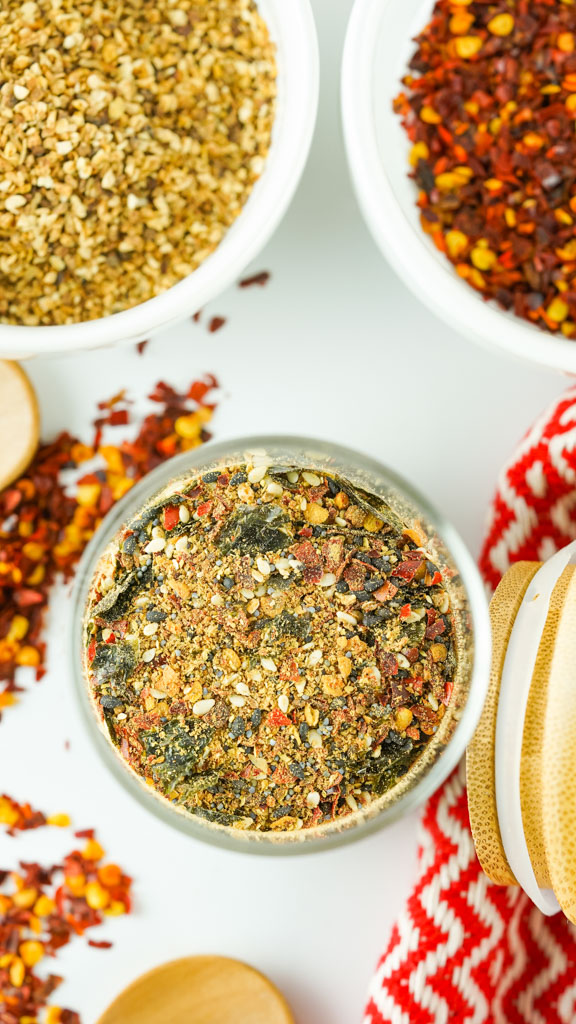
Why Japanese Spices Are So Special
If you’ve ever sprinkled furikake on rice or dipped sushi into soy sauce and wasabi, you already know the magic of Japanese seasonings. But Japanese spices go beyond the classics — they can turn a simple meal into something crave-worthy.
Homemade spice blends capture the essence of Japanese cooking: salty, spicy, citrusy, nutty, and earthy all in one. They’re fun to experiment with, simple to use, and a healthier way to add flavor to your meals.
A Homemade Japanese Spice Blend
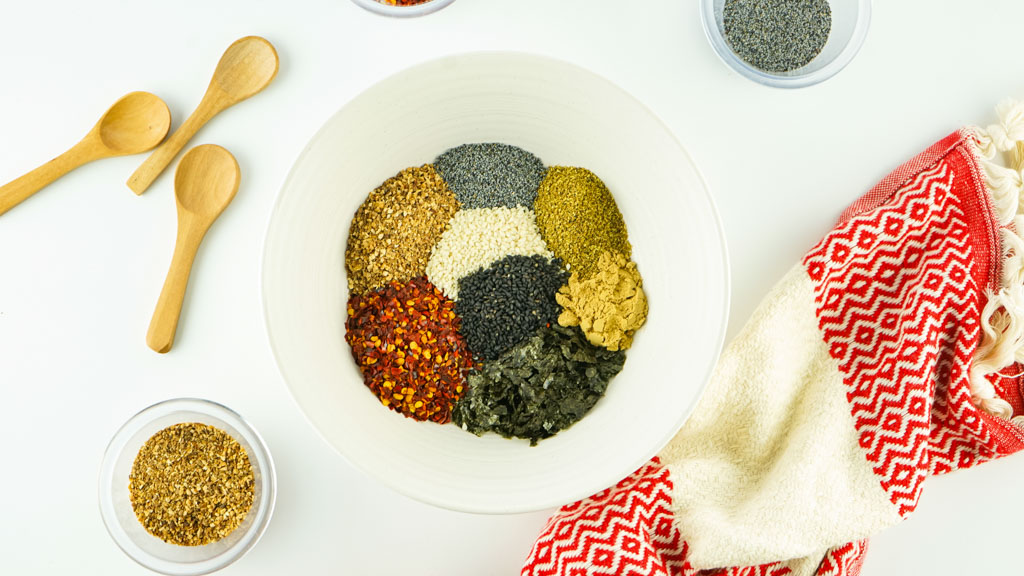
Here’s a vibrant, nutrient-packed spice mix you can make right at home.
- Dried Seaweed Flakes (Nori): Umami-rich and ocean-kissed.
- Crushed Red Pepper: Adds gentle heat.
- Dried Lemon Peel: Bright citrus balance.
- Poppy Seeds: Tiny crunch bombs.
- Sansho Pepper: Zesty and tingly with a citrus twist.
- White & Black Sesame Seeds: Nutty, toasty, and full of healthy fats.
- Ground Ginger: Warm and slightly sweet.
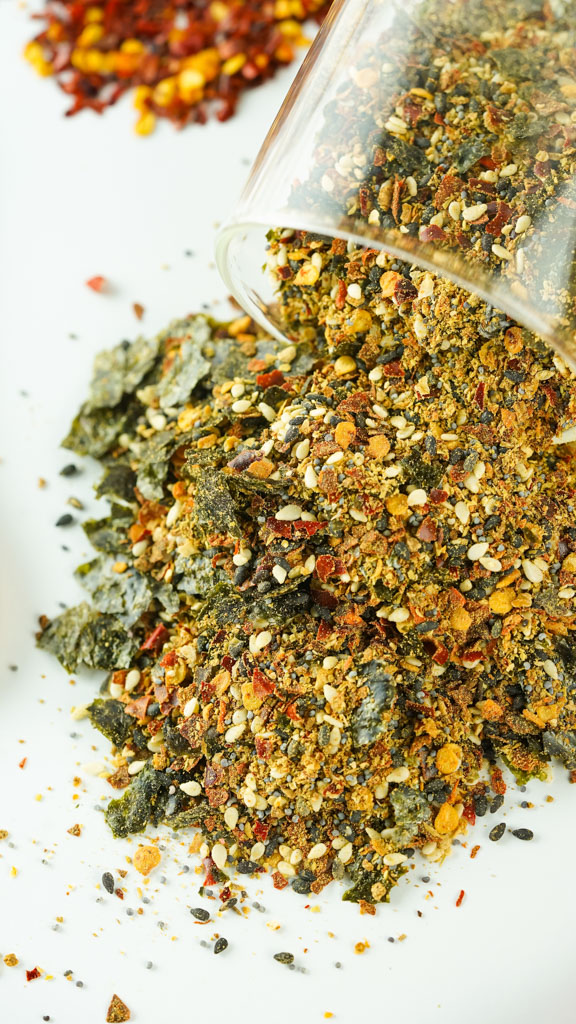
This mix looks beautiful and tastes even better. Sprinkle it over rice, noodles, roasted vegetables, or avocado toast. It also doubles as a flavorful rub for chicken, beef, or tofu.

Healthier & High-Protein Options
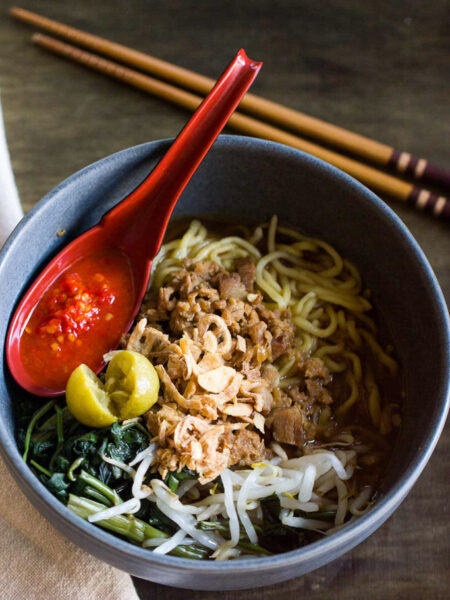
- Cut back on sauces: Use this seasoning instead of heavy soy or teriyaki sauces to lower sodium and sugar.
- Protein boost: Pair it with grilled salmon, seared tuna, chicken breast, or lean beef.
- Vegetarian-friendly: Sprinkle it on tofu, tempeh, quinoa, or edamame for a satisfying, protein-packed meal.
Why Beef + This Spice Blend Is a Power Move
Pairing this blend with beef not only delivers bold flavor but also a natural source of iron. Iron helps your blood carry oxygen, supports brain health, and keeps your energy levels up. Women especially benefit from iron-rich foods, as it helps reduce fatigue and supports overall wellness. Add in sesame’s antioxidants and seaweed’s minerals, and you’ve got a nutrient powerhouse.
Macros (Per Tablespoon, Approx.)
- Calories: ~18
- Protein: ~1 g
- Fat: ~1 g (mostly healthy fats from sesame)
- Carbs: ~2 g
- Fiber: ~1 g
Kitchen Notes
- This seasoning is very spicy and there’s no way to make it not spicy unless you change the recipe altogether.
- You can use szechuan pepper instead of sansho, if preferred. The amount stays the same.
- You can use dried orange peel or a mixture of dried citrus peel in place of the lemon. I like using the lemon because it’s a touch stronger, in my opinion.
- For an easier way to get nori or seaweed flakes, you can crush half a sheet of dried seaweed to get the amount you need for this recipe. It tends to be the cheaper route as well, but you’ll have leftover seaweed sheets. They last a long time though!
- You can do just white sesame seeds or just black sesame seeds. It doesn’t have to be both if you don’t have one or the other. Whatever you decide to do, it just needs to be a total of 4 teaspoons of sesame seeds.
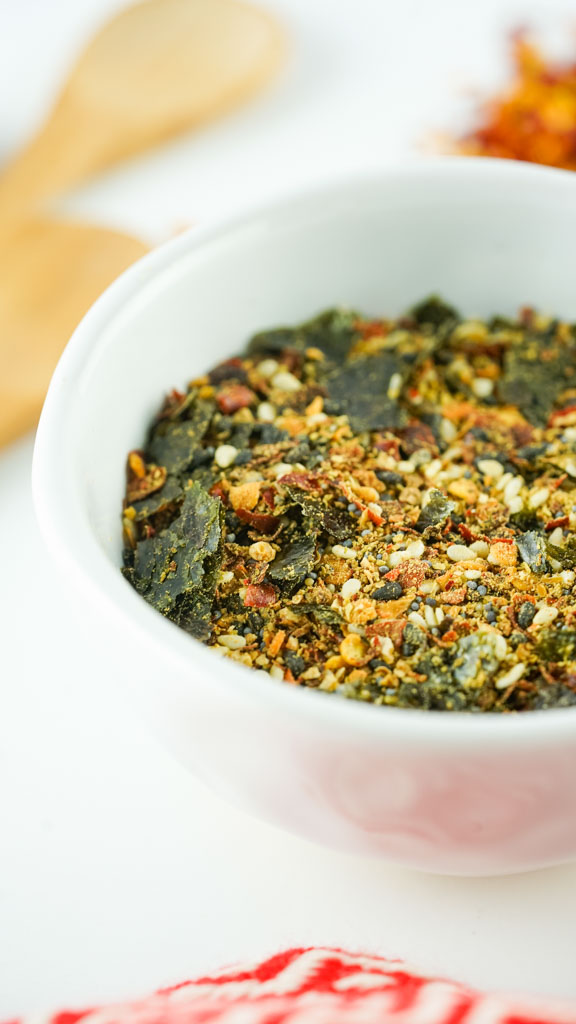
Best way to enjoy Japanese spice blend
One of my favorite ways to enjoy this is with tuna fried rice, deviled eggs, or grilled corn.
This homemade Japanese spice blend is like a flavor passport to Tokyo — no plane ticket required. It’s versatile, easy to make, and perfect for adding excitement to healthy and high-protein meals. Next time your dinner feels a little “meh,” sprinkle on this spice mix and watch it transform into something you can’t wait to eat.
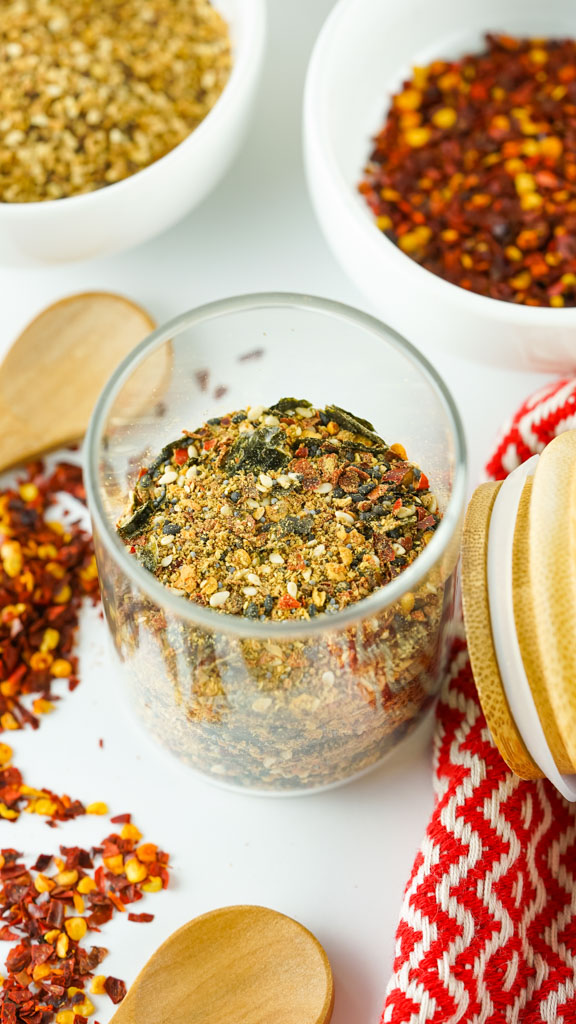
Homemade Japanese Spices
Ingredients
- 2 tablespoons Dried Seaweed Flakes nori
- 2 tablespoons Crushed Red Pepper
- 1 tablespoons Dried Lemon Peel
- ½ tablespoon Poppy Seeds
- 2 teaspoons Ground Sansho Pepper
- 2 teaspoons White Sesame Seeds
- 2 teaspoons Black Sesame Seeds
- 1 teaspoon Ground Ginger
Instructions
- Combine all ingredients in a small mixing bowl and mix until fully combined,
- Store in an airtight container in a cool, dry pantry for up to 2 months.


Leave a Reply